
Plastic surgery can reshape and enhance features like your cheeks, chin, and neckline. Three standard cosmetic surgery procedures are facelift surgery, neck lift, and cheek lift performed by a board certified surgeon and plastic surgeon specializing in facial plastic surgery. If you’re comparing facial plastic surgery clinics, this page explains common options for facial rejuvenation and what to expect before and after a surgical facelift.
During your Roseville Plastic Surgery consultation, one of our skilled surgeons will assess your cosmetic concern and recommend a solution to enhance facial volume, soften wrinkles and fine lines, and increase confidence and self-esteem. We’ll review your medical history, medical conditions, and any previous surgeries to confirm you’re a good candidate for facial rejuvenation surgery.
Facelift in Sacramento, CA
We can’t turn back time, but a facelift may be the closest we can get. A facelift is a surgical procedure that can help you look years younger by removing wrinkles and tightening sagging skin. Facelifts are designed to address visible signs of aging, including jowls, deep wrinkles, and facial laxity in the lower face.
In the past, facelift surgeons only pulled back the skin, sometimes resulting in an overdone, “windswept” look. Today, surgeons also know to tighten the underlying tissues and supportive structures. As a result, facelifts now appear more natural-looking and typically last a decade or longer. In the hands of a skilled surgeon like Dr. Kiener, facelift patients benefit from a natural appearance with little visible evidence of invasive surgery. This approach supports natural contours and helps preserve facial expression by respecting facial anatomy and facial muscles.
Facial aging affects more than skin. Volume shifts in the midface can expose underlying fat pads, and changes in the aging process can lead to facial sagging and deep folds around the mouth. Facial rejuvenation strategies may include surgical options (like facelift surgery) and non-surgical options (like dermal fillers or a liquid facelift) depending on skin quality and goals.
Important note: A facelift does not correct signs of aging above the midface. For example, to correct drooping eyebrows, forehead wrinkles, undereye bags, or sagging upper eyelids, you might choose to get a brow lift or eyelid lift along with your facelift. In addition, adding other surgical or non-surgical procedures to your facelift ensures a holistic approach to facial rejuvenation. Some patients also ask about laser treatments for sun damage, skin tone, and skin quality.
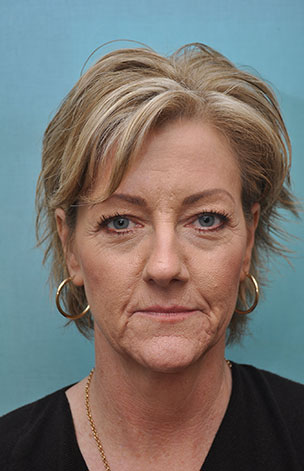
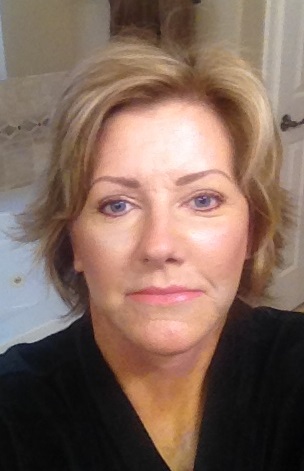


*Individual Results May Vary
View Facelift Before & After Gallery
Facelift Options
Your surgeon will recommend the best technique based on your anatomy and goals, including:
- Traditional facelift / traditional facelift surgery (often used as an umbrella term for commonly performed facelift approaches)
- Deep plane facelift (a technique designed to lift deep facial tissues for natural, durable results)
- SMAS facelift (lifting and supporting the superficial musculoaponeurotic system)
- Mini facelift (for patients with earlier laxity and more limited correction)
- Mid facelift / mid facelift surgery (focused on the midface region)
A deep plane facelift may be recommended when the goal is improved midface support and more thorough lifting of the cheeks and jawline, rather than tightening only superficial layers. A deep plane facelift can also help address sagging cheeks and deeper facial descent while maintaining natural contours. Deep plane facelift planning is always individualized—your surgeon will explain whether you’re a candidate and what to expect.
A mini facelift is often chosen for mild to moderate facial sagging along the jawline, while a mid facelift can focus on midface descent. Mid facelift surgery treats concerns like midface droop and cheek descent in appropriate candidates.
Facelift Procedure
Your Roseville facial plastic surgery team may choose from a couple of different techniques during facelift surgery, depending on the cosmetic concern they’re correcting. Once the anesthesia takes effect (general anesthesia or, in select cases, local anesthesia with sedation), the plastic surgeon usually makes incisions for a facelift along the hairline and concealed within natural contours.
The surgeon will sculpt or remove excess fat, reposition facial tissues, and elevate facial muscles. In a deep plane facelift, the surgeon lifts deeper tissues (deep facial tissues) to create support and more thorough lifting, rather than relying on skin tension alone. Finally, the doctor will close the incisions with sutures or skin adhesives to conclude the procedure. They may use staples as an alternative, offering faster wound closure and similar results to sutures regarding patient comfort, aesthetic outcome, and risk of complications.
Facelift Benefits
When a skilled plastic surgeon performs a facelift, the cosmetic enhancement can take your appearance back several years by repositioning underlying tissue, skin tightening, and bringing balance back to your facial contours. A facelift can help you look and feel like a younger version of yourself. Facelift benefits at Rosevill